
Cosentino Éclos: The First Zero-Silica Engineered Stone, Now at Our Frome and Lyndhurst Showrooms
Engineered stone has been one of the most beautiful materials our trade works with, and one of the most dangerous to fabricate. The two facts have always lived next to each other.
In May this year, the UK Health and Safety Executive made dry cutting of engineered stone unlawful, after the deaths of two young UK fabricators from silicosis. Australia banned the material outright in 2024. California's prevention act came into force this January. Across the global industry, the question has shifted from whether engineered stone can be made safer, to what comes next.
Last week, the answer arrived.
What is Éclos?
On 26 May 2026, Cosentino launched Éclos — not a Silestone variant or a sustainability range bolted onto an existing product, but a new brand and a new product category entirely: Inlayered Mineral Surface.
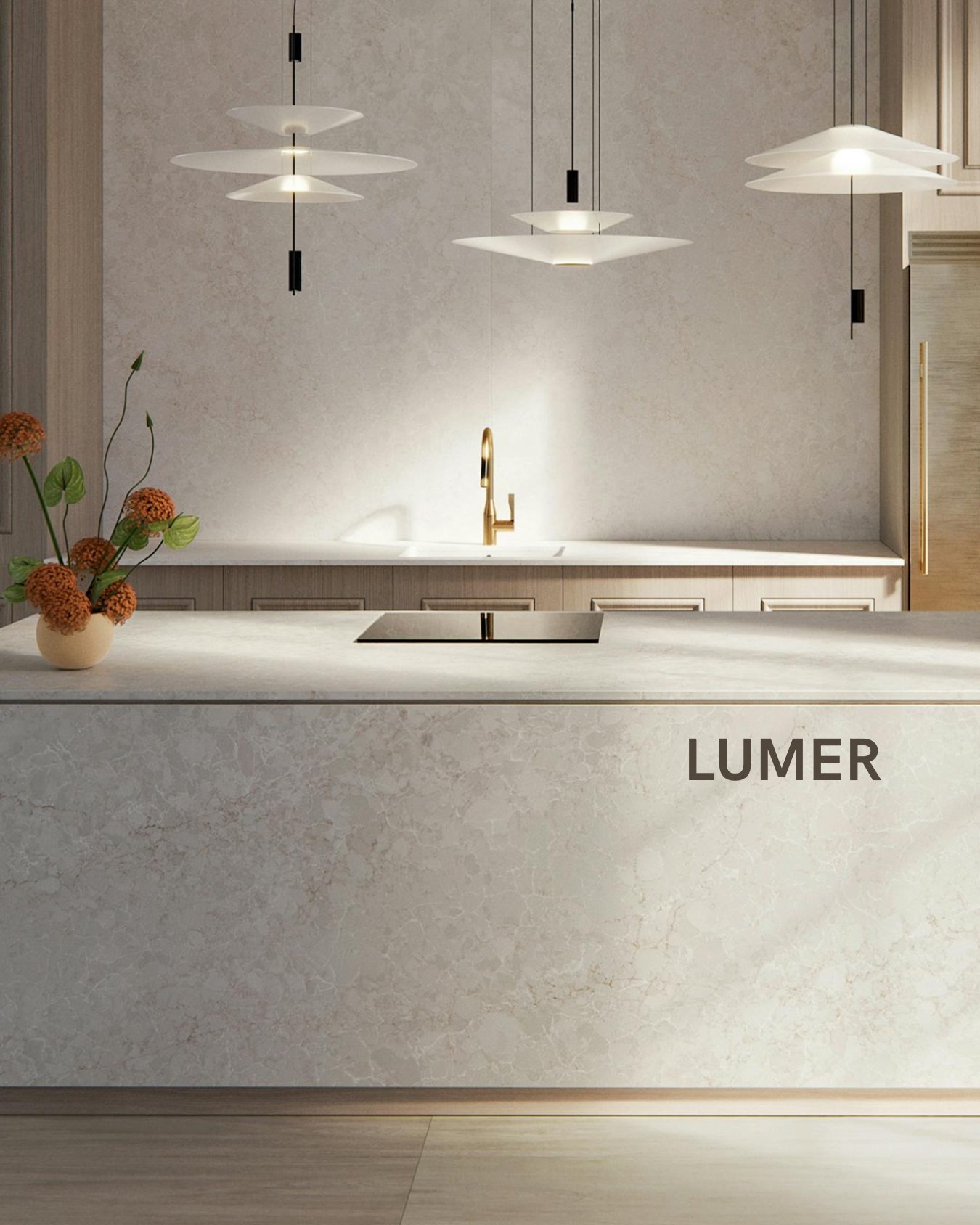
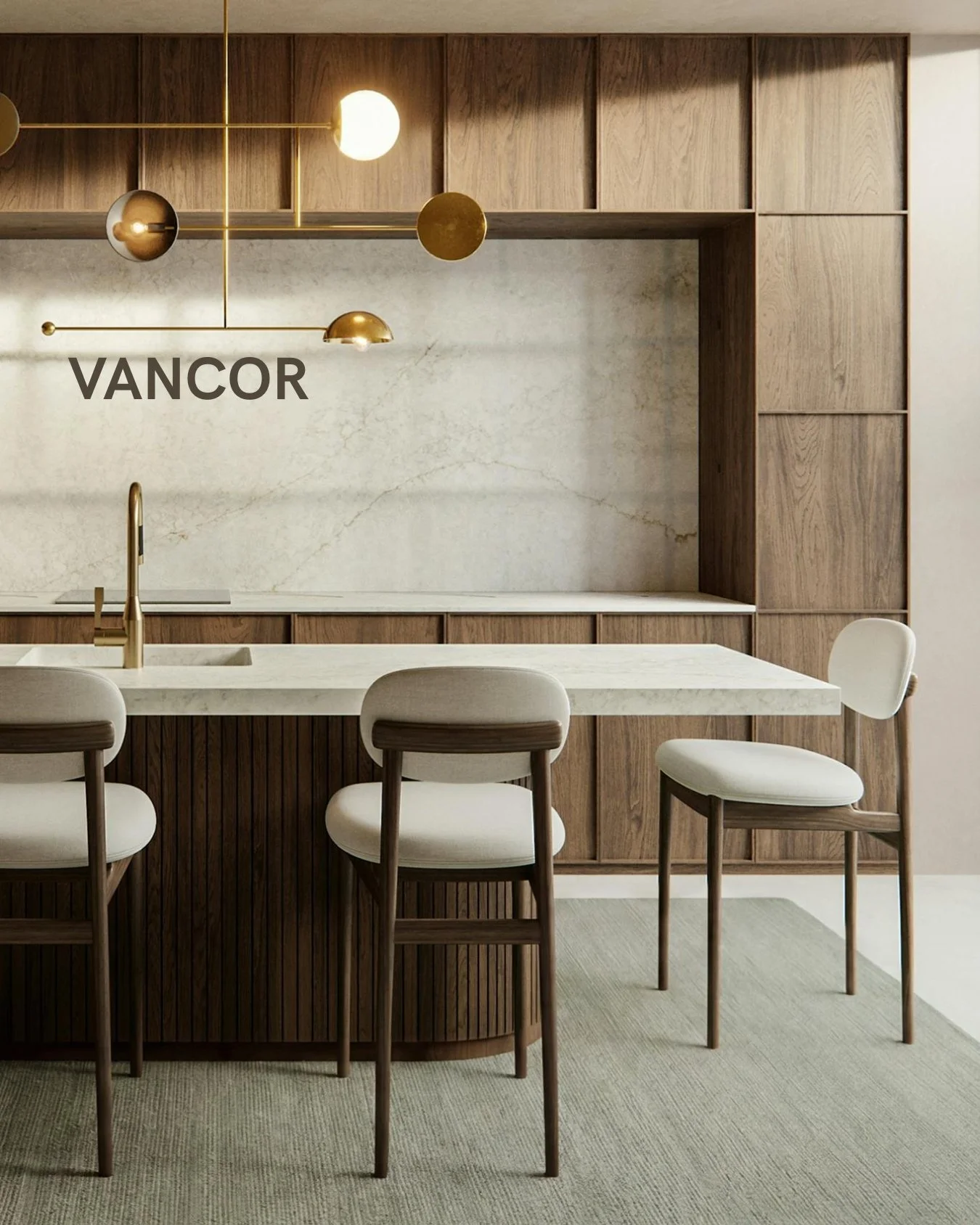
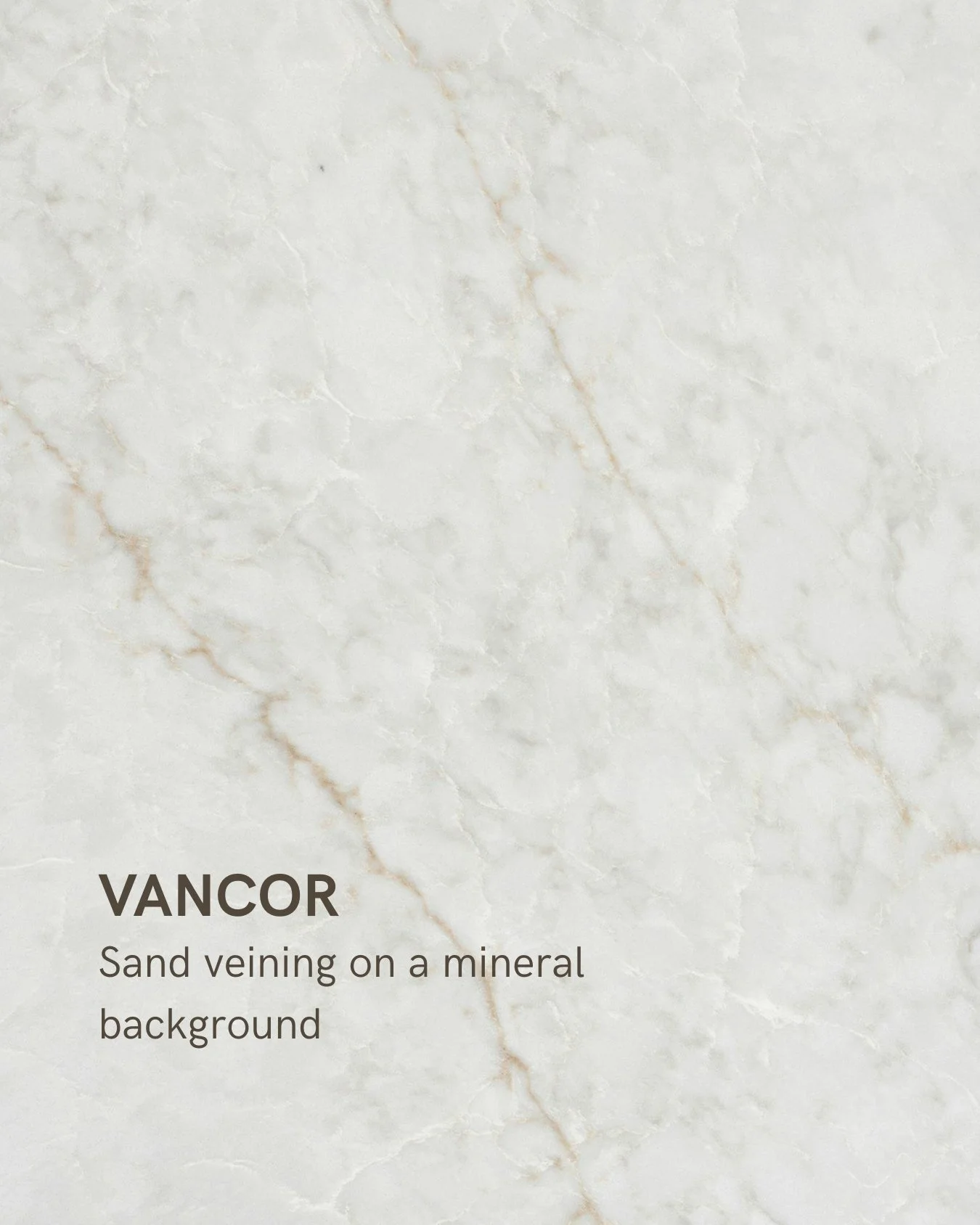
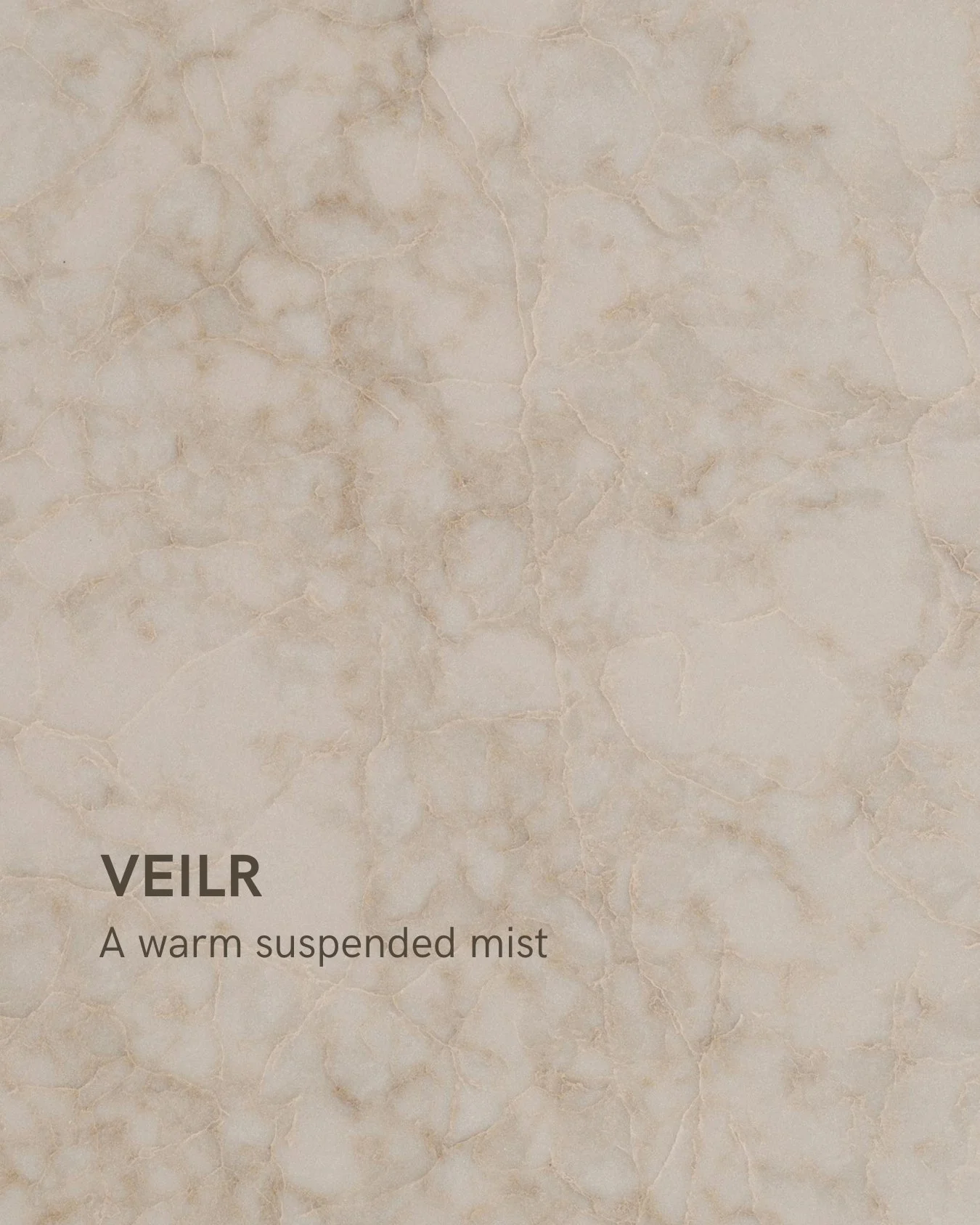
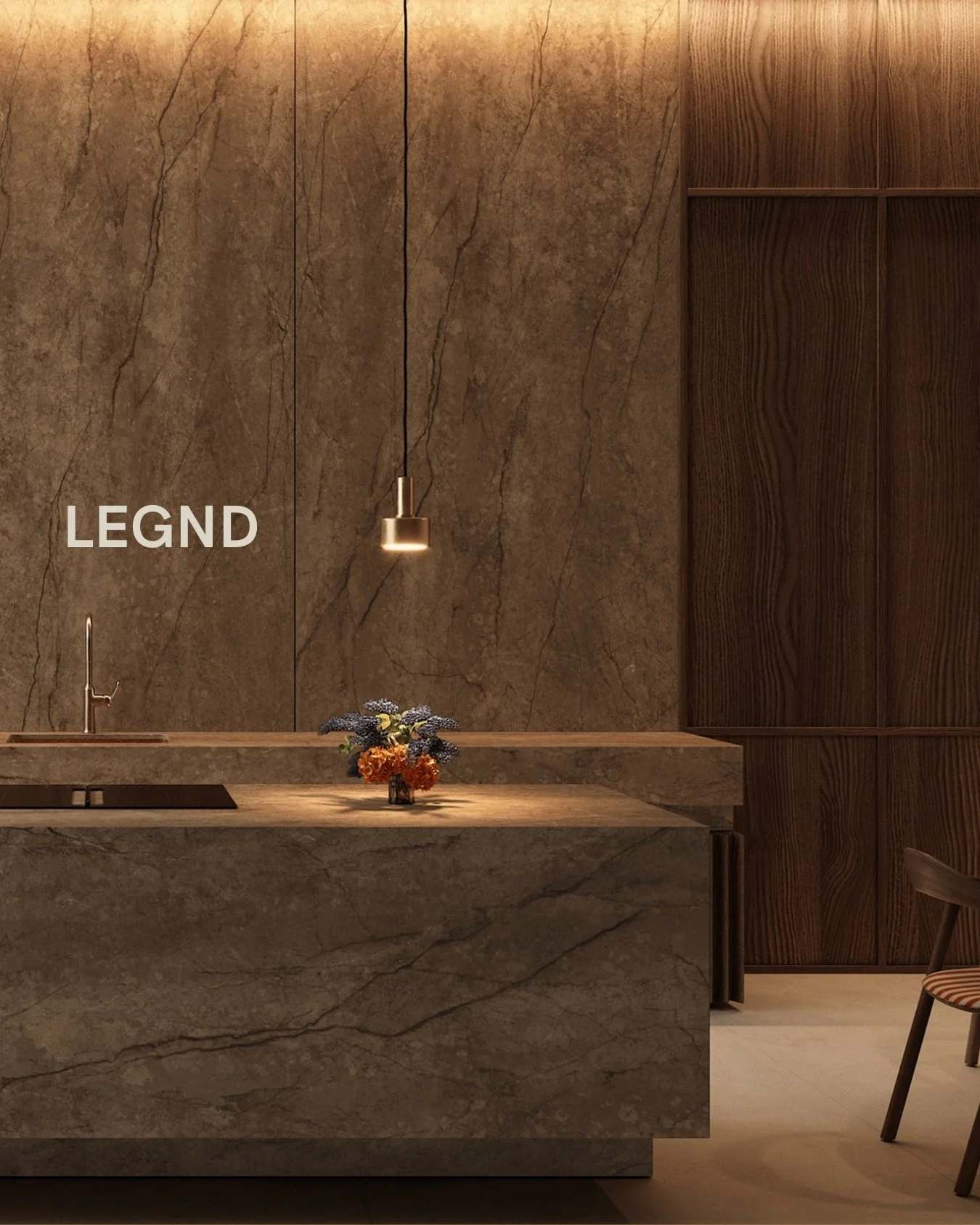
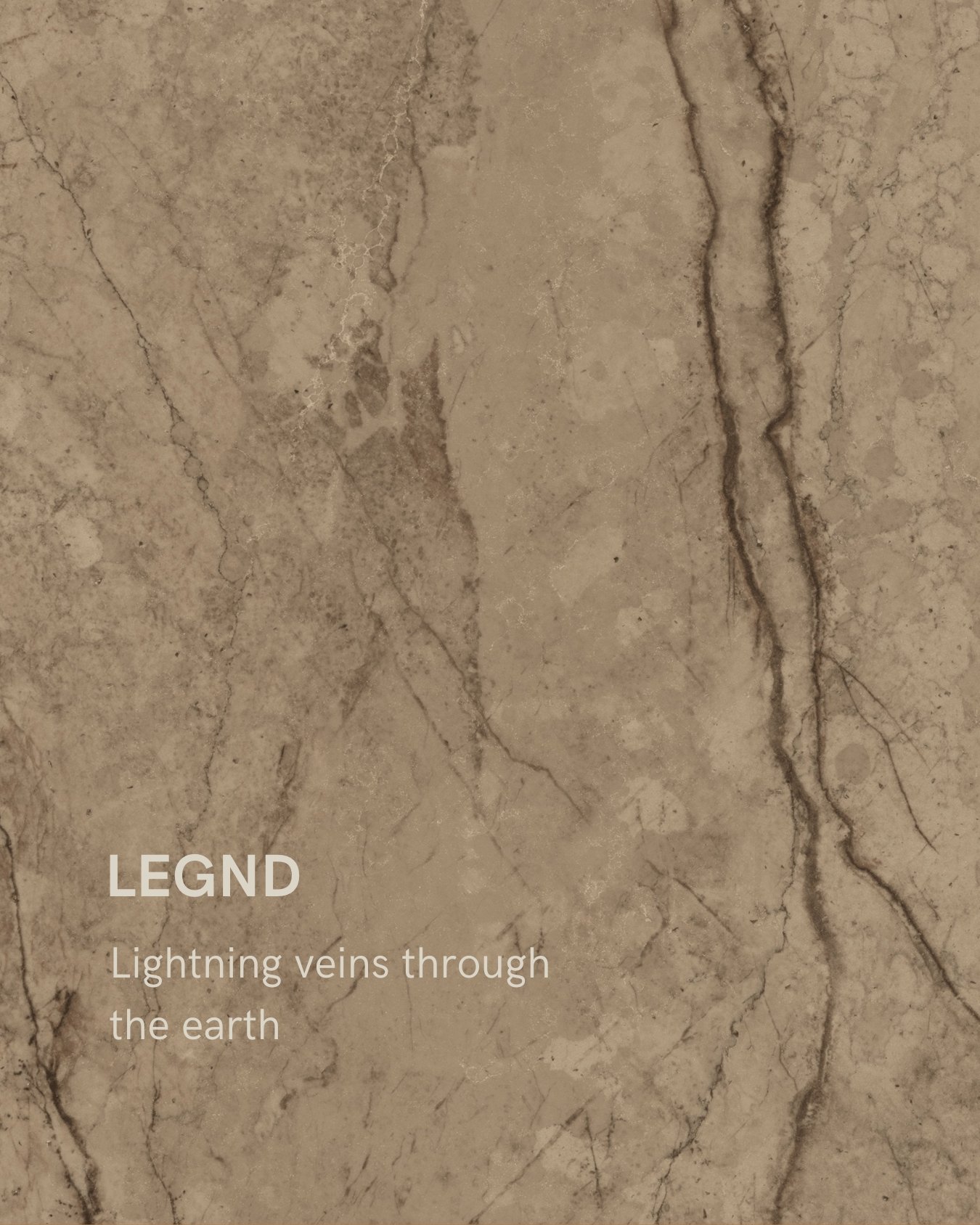
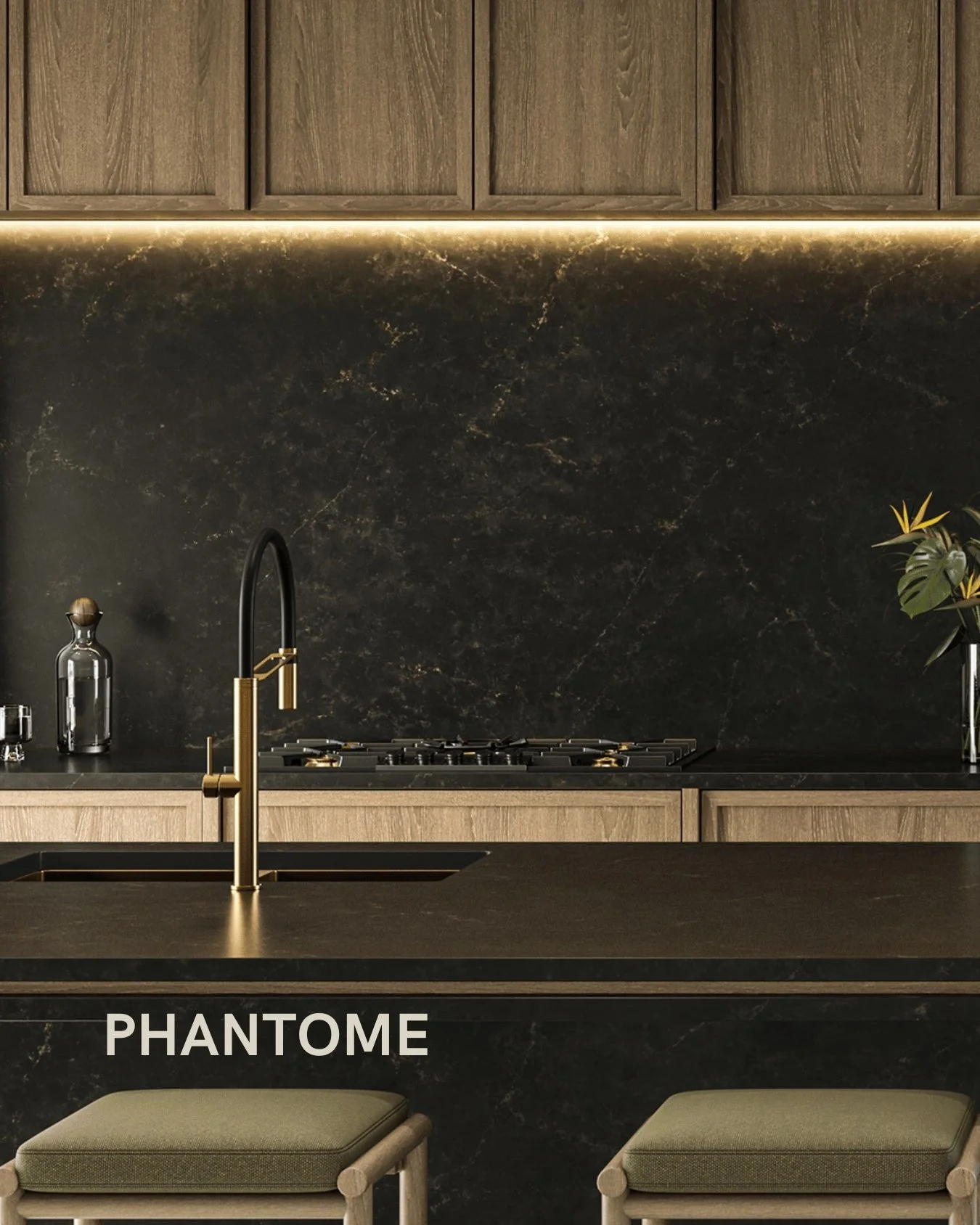
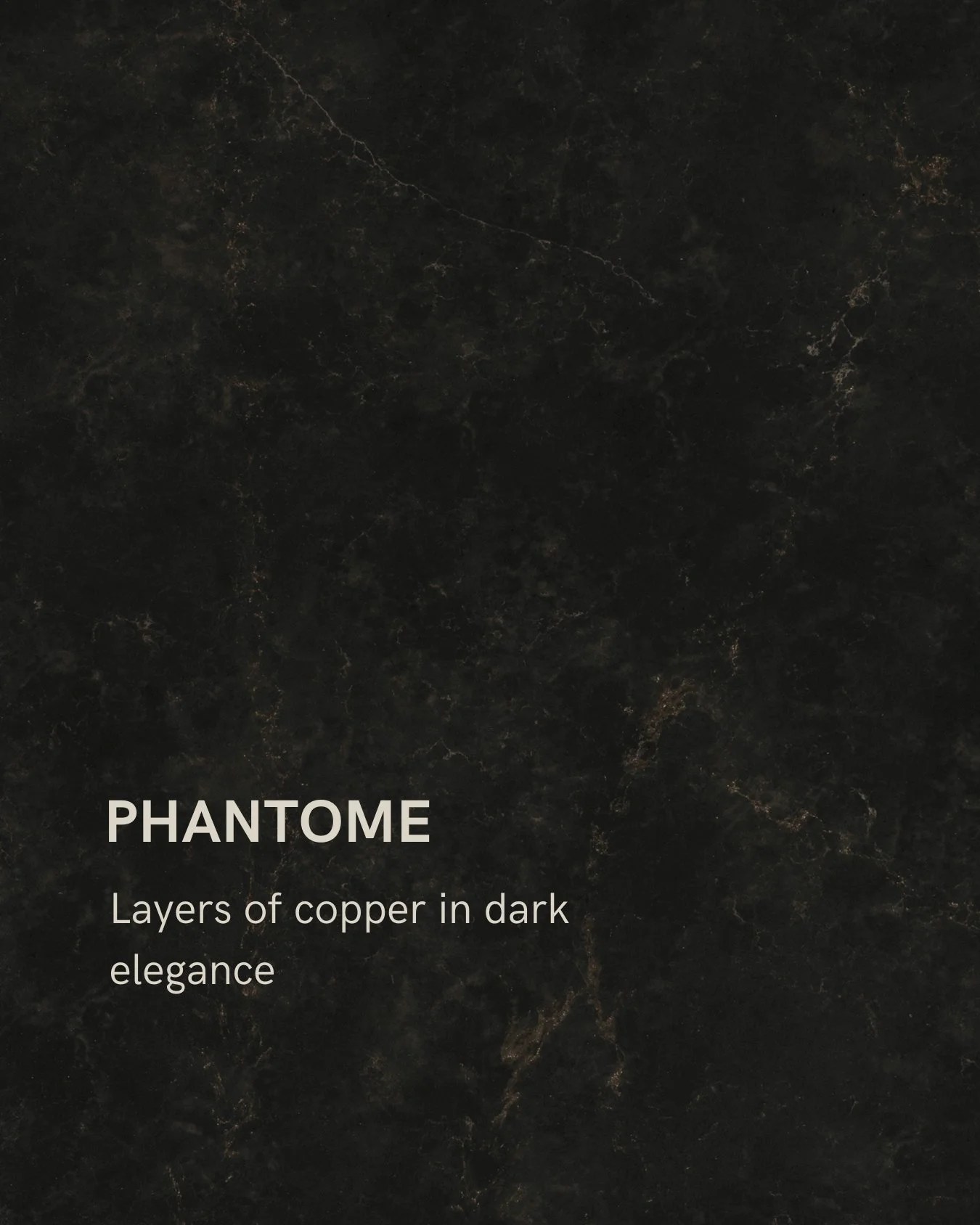
The first collection, Eclectic Veins, launches with ten colours: Sandr, Lumer, Vancor, Veilr, Landr, Wondr, Ivora, Tajnar, Legnd and Phantome.


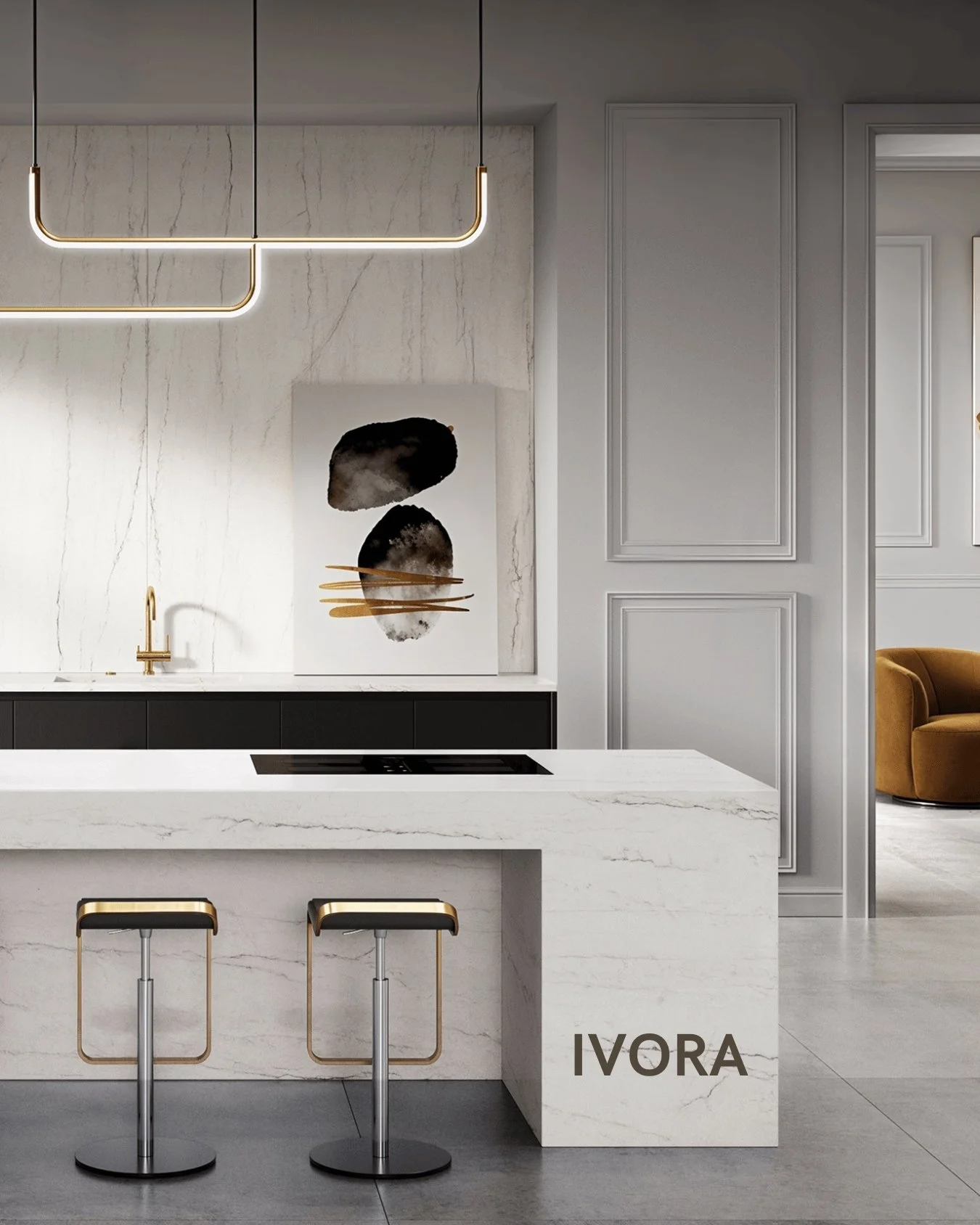
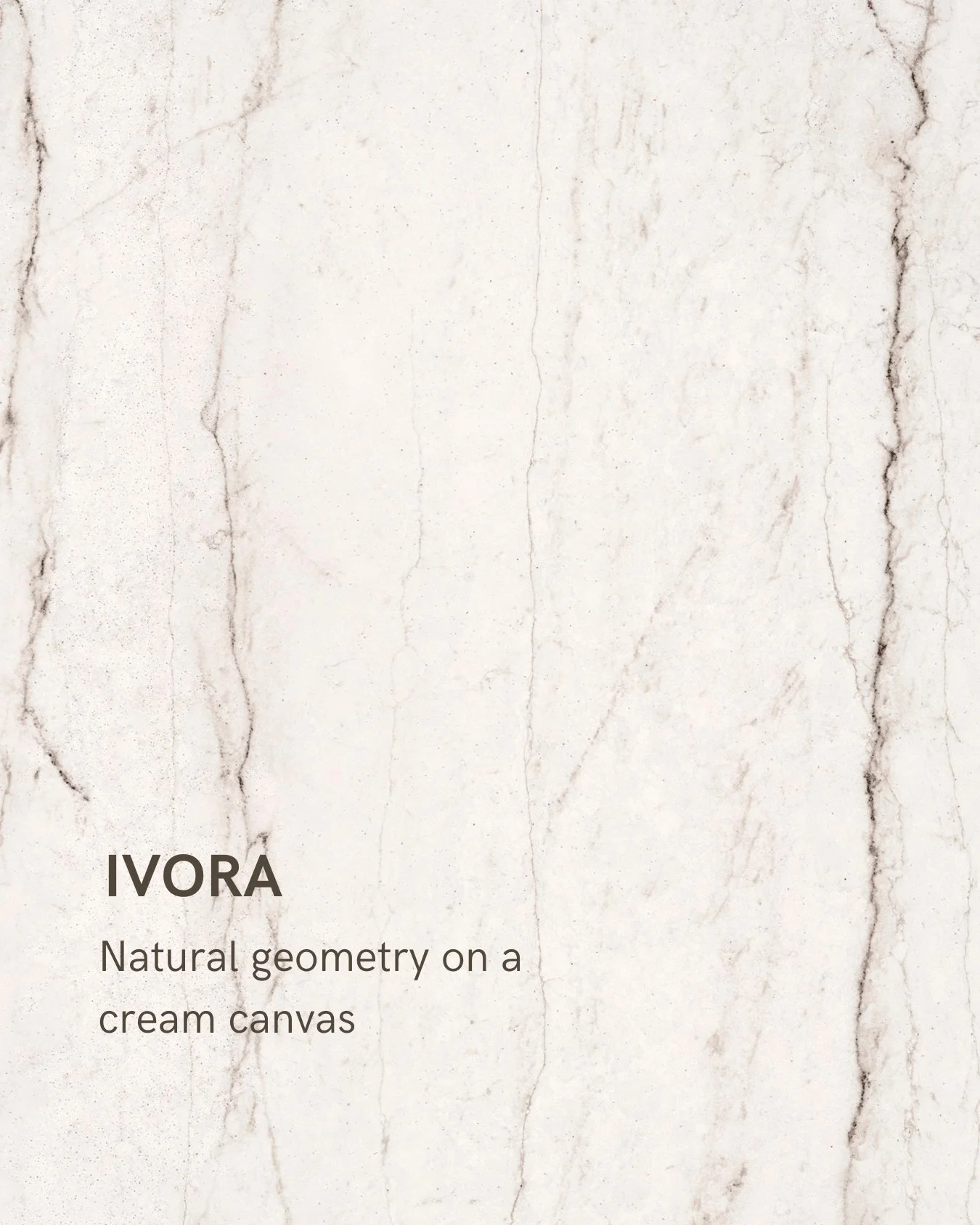
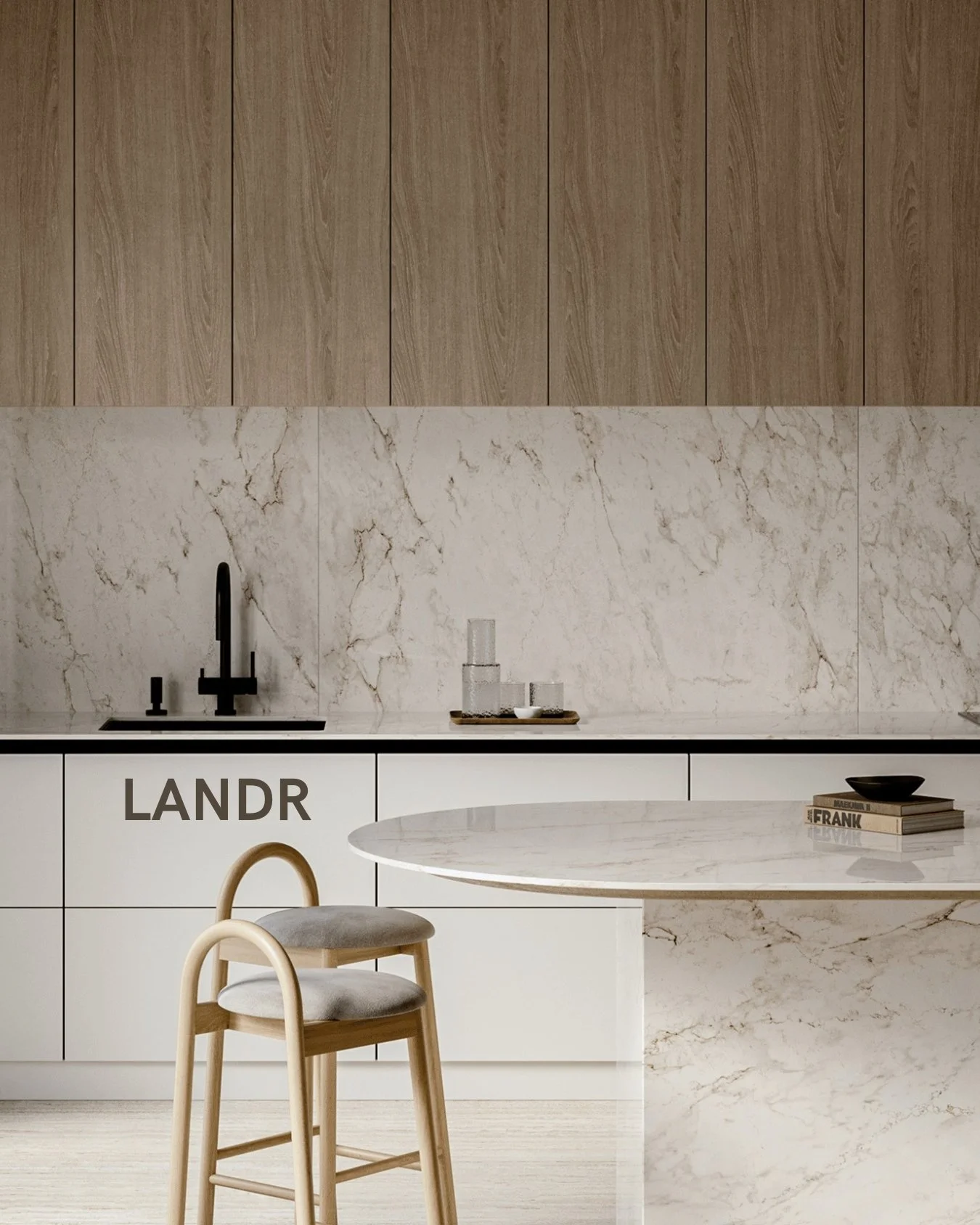
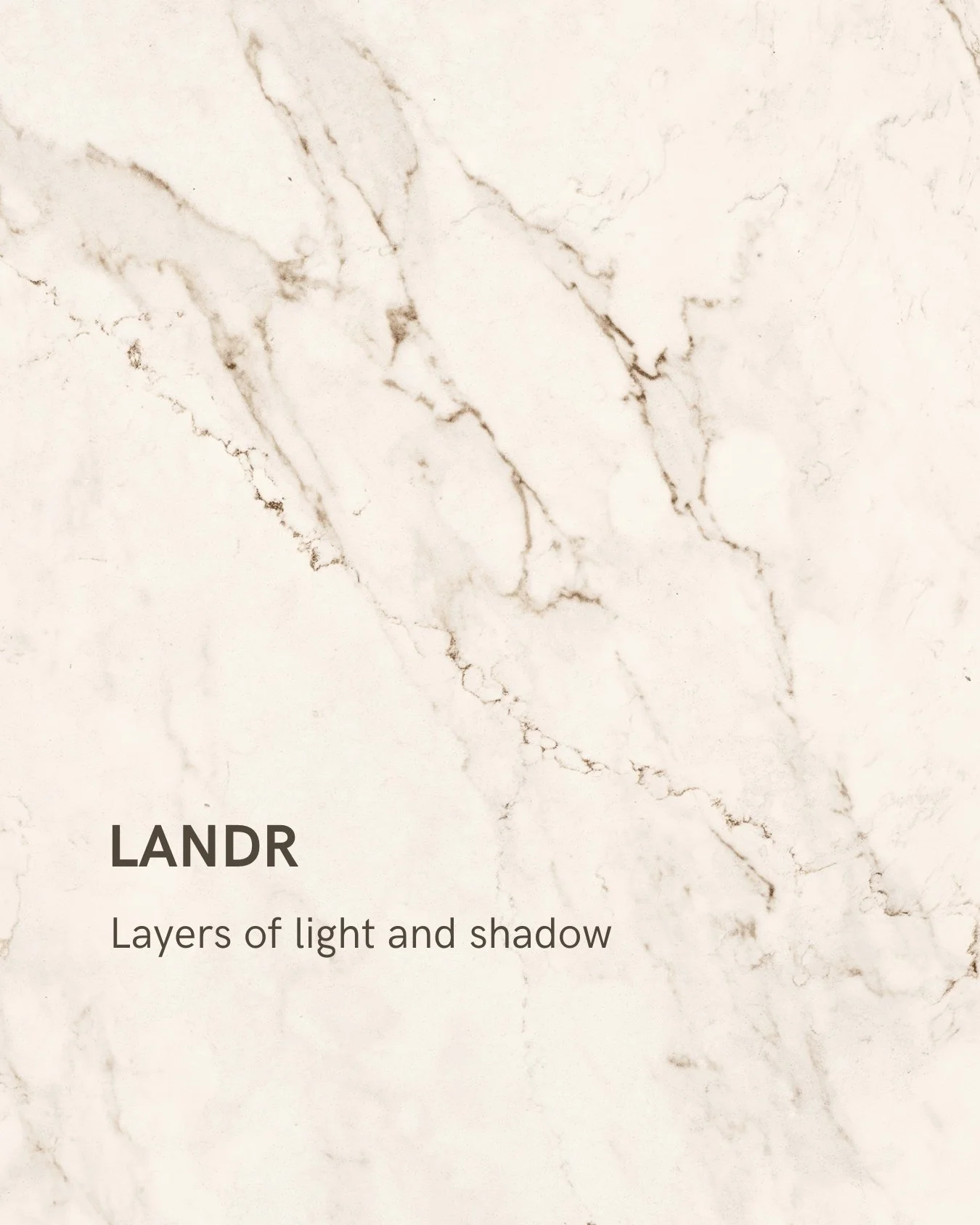
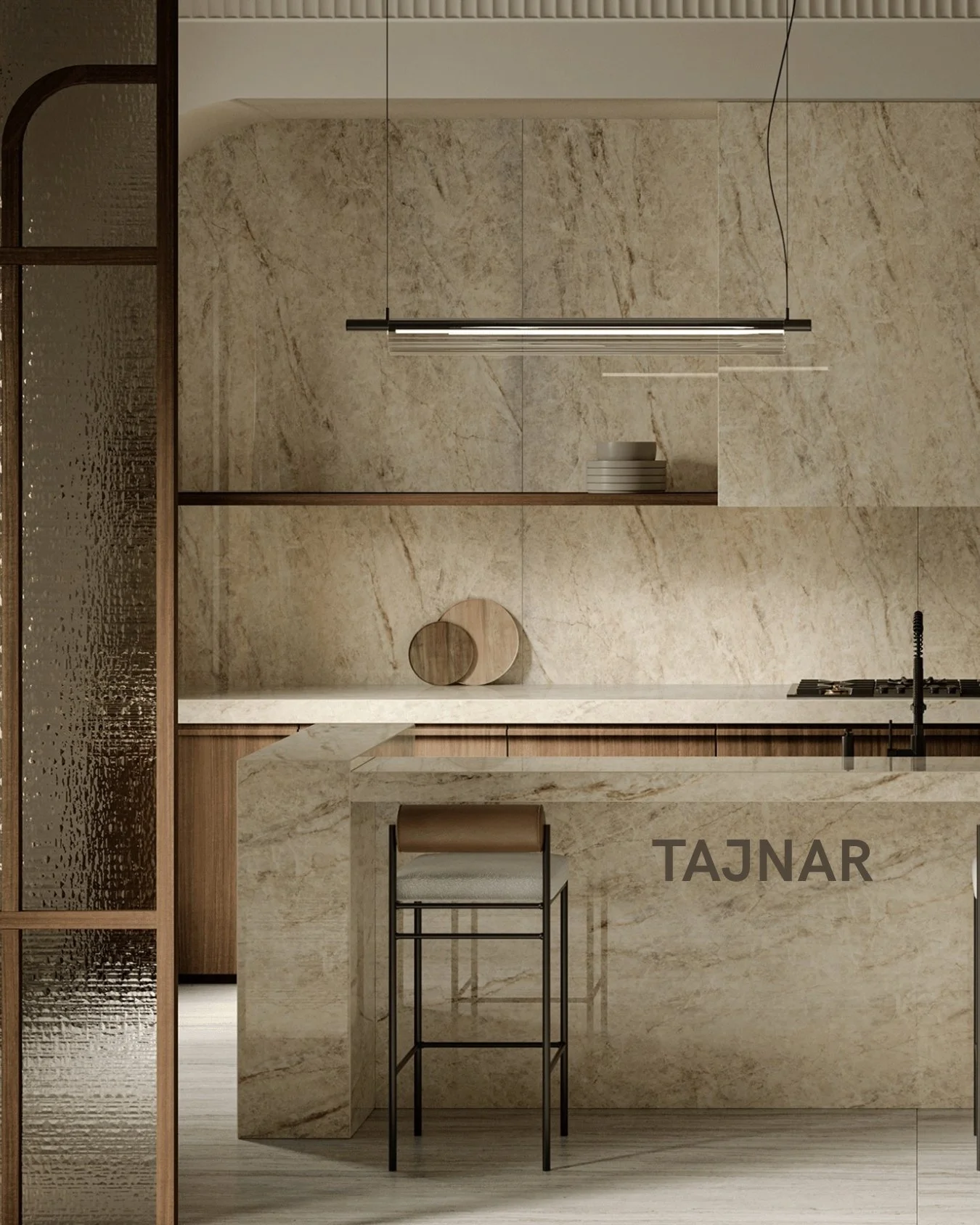
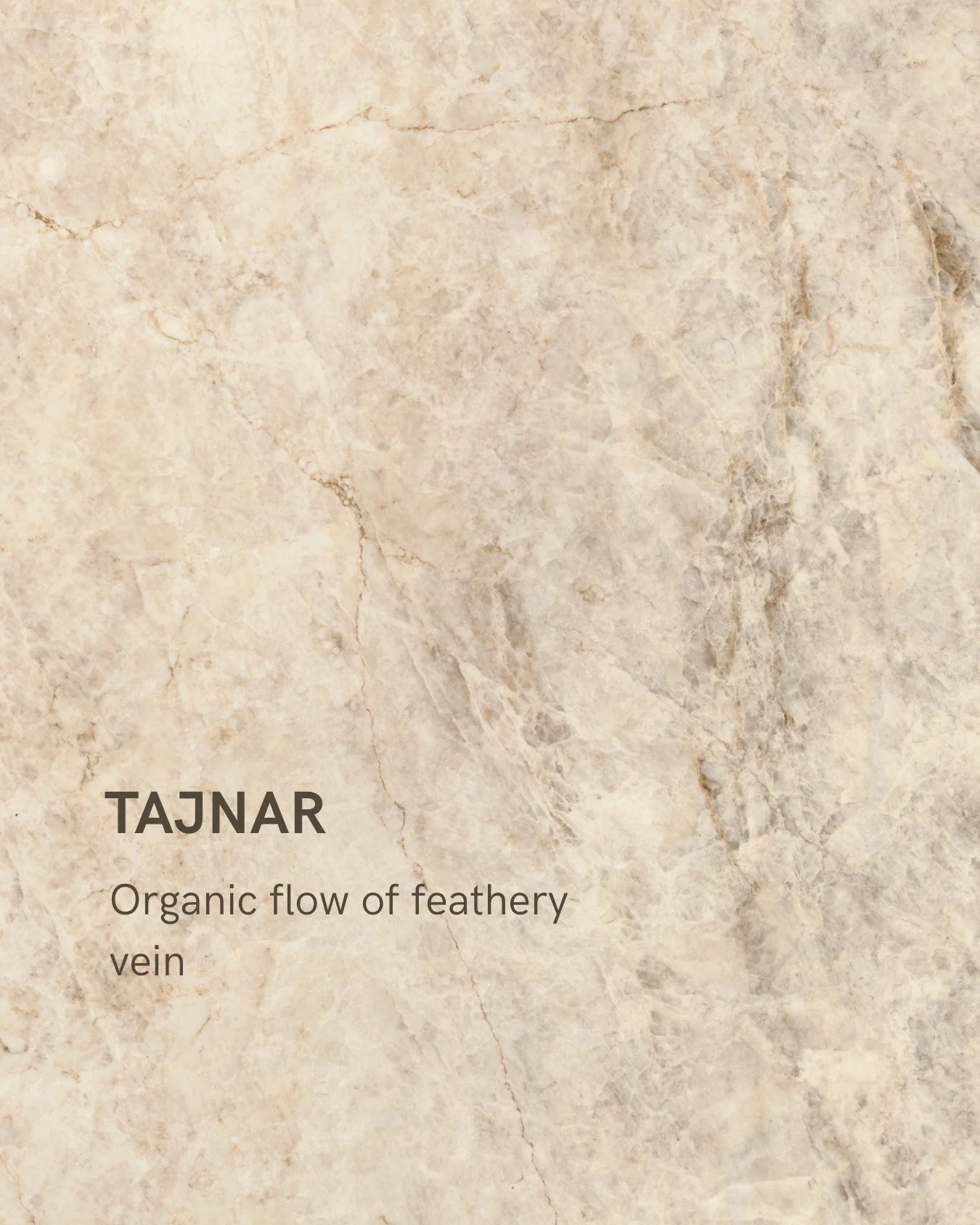

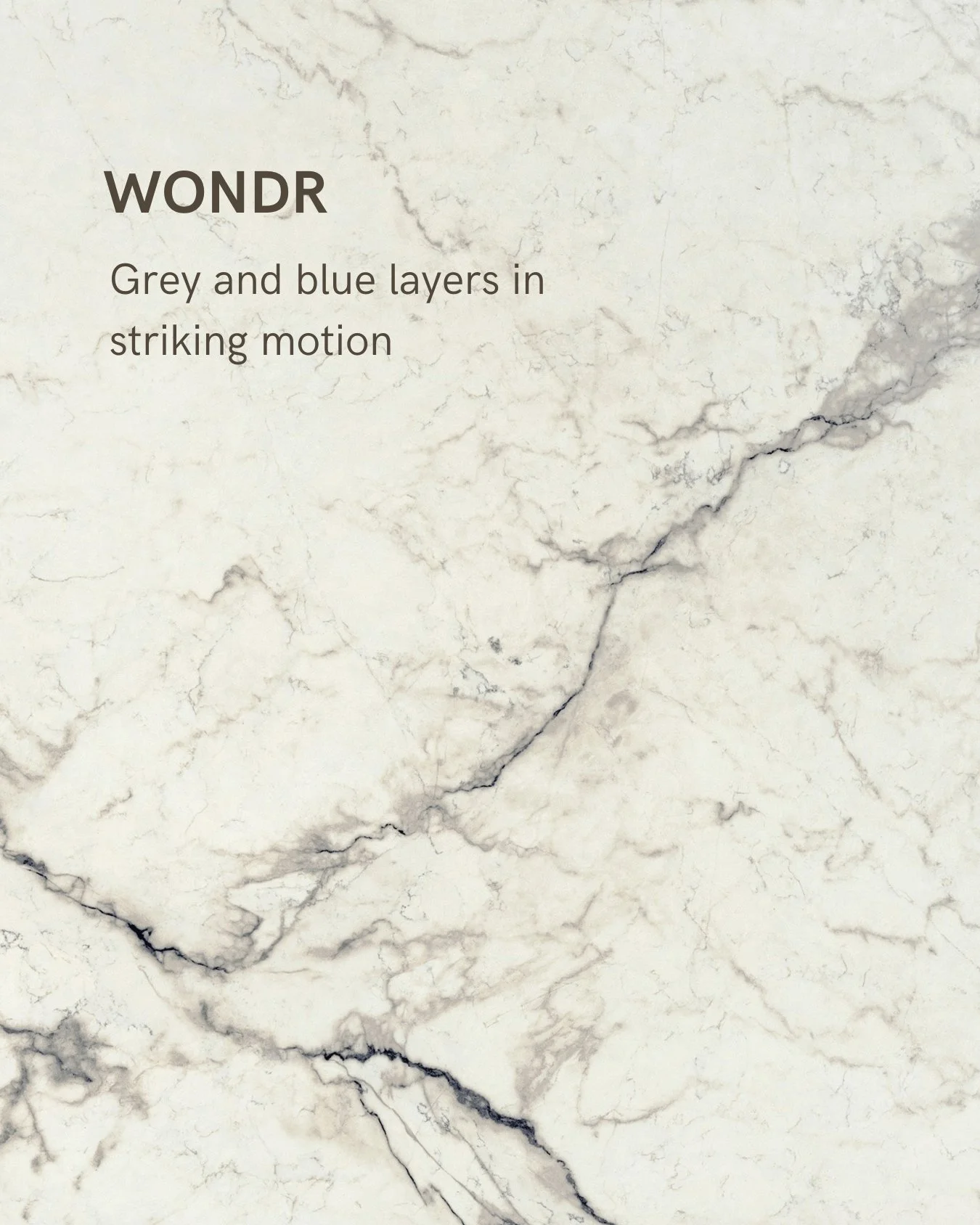
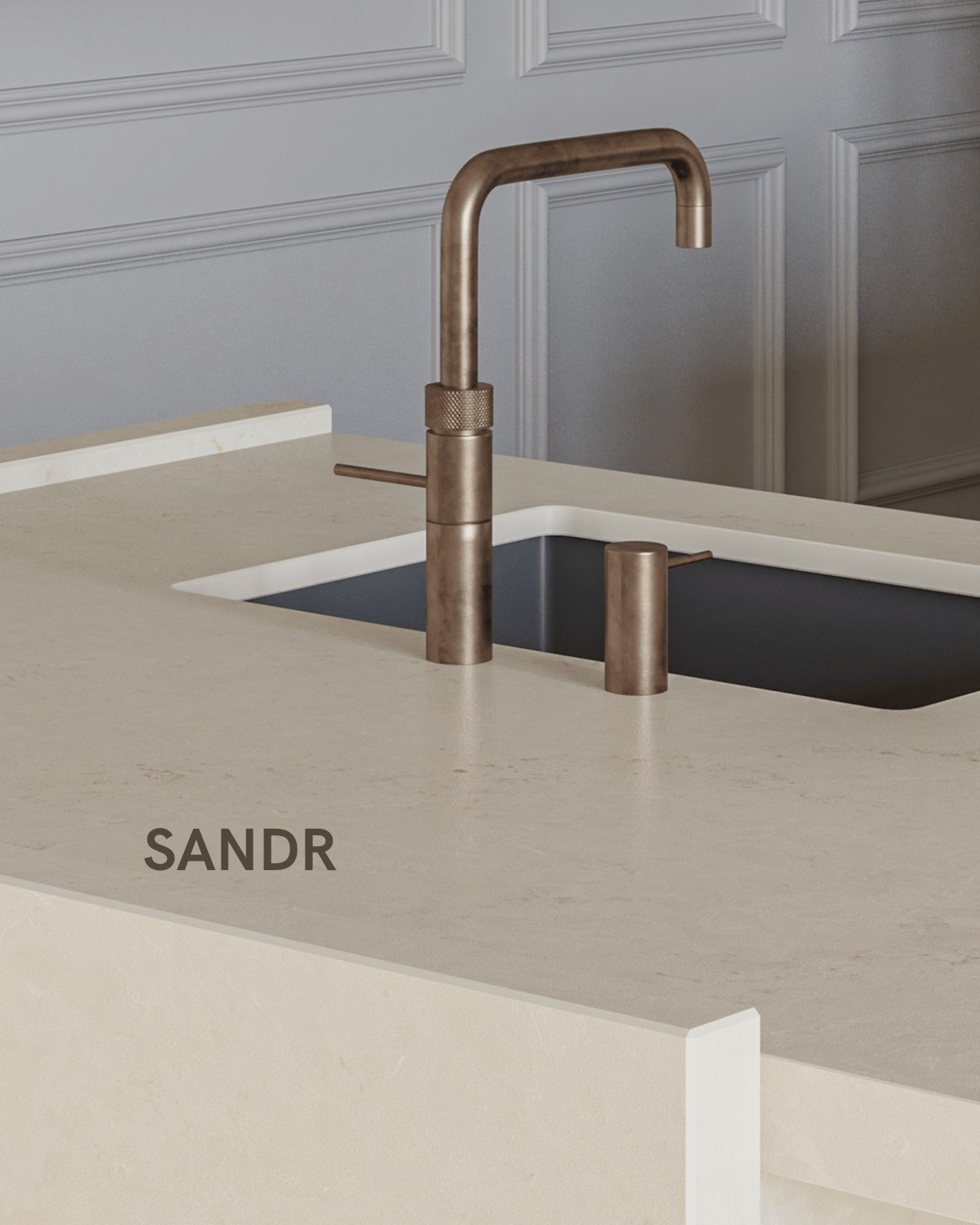
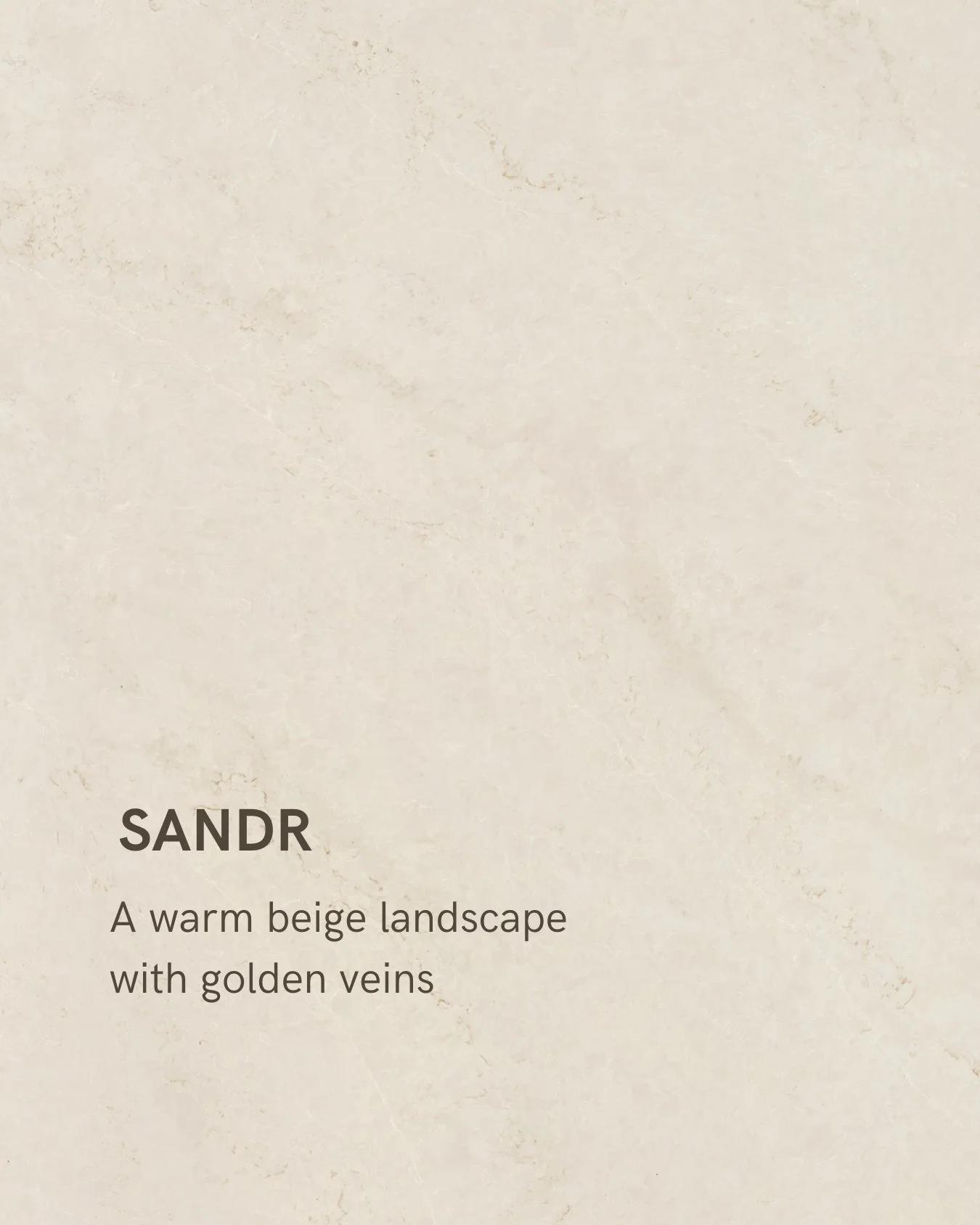
Three things make Éclos genuinely new:
Zero crystalline silica in the formulation. Traditional engineered quartz can contain up to 95% silica — the cause of the health crisis among fabricators globally. Éclos sits at zero.
Up to 88% recycled content in some colours, with every colour in the range containing at least 50% recycled material.
Heat resistance to 220°C, meaning a hot pan straight from the hob can be placed on the surface without marking it. A meaningful step up from traditional engineered quartz, which is heat-sensitive.
The surface uses Cosentino's Inlayr® technology, which builds the veining and depth through the full body of the slab — so the pattern is visible through edges, mitres and recesses, not just on the top surface.
Why it matters: the silica story
For homeowners and specifiers who haven't been following the engineered stone conversation, here's the short version.
The issue isn't with the finished worktop in a kitchen — which is entirely safe. The issue is with the dust produced when the slab is cut, polished and shaped in a fabricator's workshop. Crystalline silica dust, inhaled over months or years, can cause silicosis: an incurable, progressive lung disease that has been appearing in fabricators in their twenties and thirties.
Australia saw a sharp rise in silicosis cases from around 2018. The Australian government banned engineered stone outright in 2024 and extended the ban to imports in January 2025. California's STOP Act came into force this January, prohibiting dry cutting and authorising inspectors to shut down operations.
The UK has taken a different path. Rather than ban the material, the HSE has made dry cutting unlawful and mandated wet cutting, full dust extraction, respiratory protective equipment and health surveillance as legal requirements. More than 1,000 inspections of UK fabricators are planned for 2026 and 2027, with enforcement action for non-compliance.
Materials like Éclos are how the industry is responding. Reduce or eliminate the silica content, and the health risk during fabrication is reduced or eliminated with it.
How Éclos compares to other worktop materials
For homeowners and designers weighing up materials, here's where Éclos sits in context:
Traditional engineered quartz: up to 95% crystalline silica
Granite: 10 to 45% crystalline silica
Marble: under 5% crystalline silica
Silestone XM (Cosentino's low-silica range): under 10%
Caesarstone's low-silica range (introduced 2025): under 1%
Éclos by Cosentino: 0%
Éclos sits below all of them. For homeowners who want the look and performance of a high-end engineered surface but want to step out of the silica conversation altogether, it's the first product on the UK market that does that completely.
How we work with Éclos at Bath Granite & Marble
We've used wet cutting and wet polishing at our Frome factory for years — long before the HSE published its guidance this May. Every job that passes through our workshop is fabricated with water-suppressed blades, water-cooled polishing heads, and full dust extraction.
The arrival of Éclos changes the recommendations we give specifiers. For clients who specifically want to avoid engineered quartz on health, environmental or sustainability grounds, Éclos is now the option we lead with. For clients who want the lowest environmental footprint within the engineered-stone category, the recycled content (up to 88% in some colours) is the strongest case currently available.
Where to see Éclos
We're showing Éclos samples at both of our showrooms.
Lyndhurst, New Forest. Our Hampshire showroom is built for the early conversation: samples laid out in good light against finish boards, time to talk through edge profiles, joint visibility, heat tolerance and maintenance. The Lyndhurst showroom holds a wide range of natural and engineered stone samples to compare side by side, including the full Éclos Eclectic Veins collection.
Frome, Somerset. Our main workshop and showroom holds the full slab yard for our other materials — granite, marble, porcelain, quartzite, sintered stone and engineered quartz — alongside the Éclos samples. When you're ready to choose a slab for your kitchen, the Frome visit is where it happens.
For most projects, the most useful sequence is to visit Lyndhurst first for the scheme conversation, then come to Frome for slab selection. Trade partners working across Hampshire, the New Forest, Wiltshire, Dorset and the Solent corridor often find Lyndhurst the easier first stop. Homeowners and designers across Somerset, Bath, Bristol and the South West tend to start at Frome.
A quiet, significant moment
Éclos isn't a marketing exercise. It's the company that built the engineered-quartz category with Silestone in 1990 — and Dekton in 2013 — deciding to build the next category rather than defend the old one.
Stone has always been the longest-lasting decision in a kitchen. The worktop outlives the cabinetry, the appliances, often the kitchen itself. Choosing the right material matters more than it sometimes feels at the moment of selection.
We're glad to see the materials catching up with the practice. We don't take lightly what it cost the trade to get here.
Visit our Lyndhurst showroom in the New Forest or our Frome showroom in Somerset to see Éclos samples in person. Or get in touch to talk through whether Éclos is the right fit for your project.