
What to Ask Before Visiting a Stone Worktop Showroom
Visiting a stone showroom can be one of the most useful parts of planning a kitchen, bathroom or renovation project. It can also feel a little overwhelming if you arrive without knowing what to ask. There are samples to compare, colours to narrow down, finishes to understand, edges to think about and materials with names that can sound very similar until someone explains the difference properly. Quartz. Granite. Marble. Quartzite. Porcelain. Sintered stone.
At first, it can feel like you are simply choosing a surface. In reality, you are choosing something that will shape the way the room looks, works and feels every day.
That is why a showroom visit should not just be about finding the prettiest sample. It should help you understand what is practical, what suits your space and what needs to be planned before templating and installation. At Bath Granite & Marble, our showrooms in Frome and Lyndhurst are designed to help homeowners, designers and trade clients make those decisions with more confidence. So, before you visit any stone showroom, here are the questions worth asking.
1. How will the space actually be used?
This sounds obvious, but it is one of the most important questions. A kitchen used by a busy family every day may need a different surface from a show kitchen, bathroom vanity, fireplace, utility room or bespoke furniture piece. Before choosing a material, think about how the space will be lived in. Will the worktop need to cope with children, cooking, entertaining and daily cleaning? Will it be used in a bathroom where water and products are part of everyday life? Is the surface mainly practical, decorative, or both? Do you want something that feels calm and easy to maintain, or something with stronger natural character?
A good showroom visit should help you connect the material to your real life, not just to a mood board.
2. What is the difference between quartz, granite, marble, quartzite and porcelain?
Most people arrive with a rough idea of what they like visually, but not always a clear understanding of how each material behaves. That is completely normal. Here is the simple version.
Quartz is an engineered surface. It is popular because it is hard-wearing, low-maintenance and available in a wide range of colours and finishes. It is often chosen for busy kitchens where consistency and practicality matter.
Granite is a natural stone. It is strong, durable and full of individual character. Every slab is different, which is why it is worth seeing granite in person where possible.
Marble is a natural stone known for its beauty, softness and timeless appeal. It can be used in kitchens, but it needs more care and honesty because it can mark, stain or etch more easily than some other materials.
Quartzite is also a natural stone. It is often chosen by people who love the movement and beauty of marble but want something generally harder wearing.
Porcelain and sintered stone are slim, modern and versatile surface options. They are often used for worktops, splashbacks, bathrooms, wall cladding and more design-led features.
The right material is not about which one is “best”. It is about which one suits your room, lifestyle, budget and expectations.
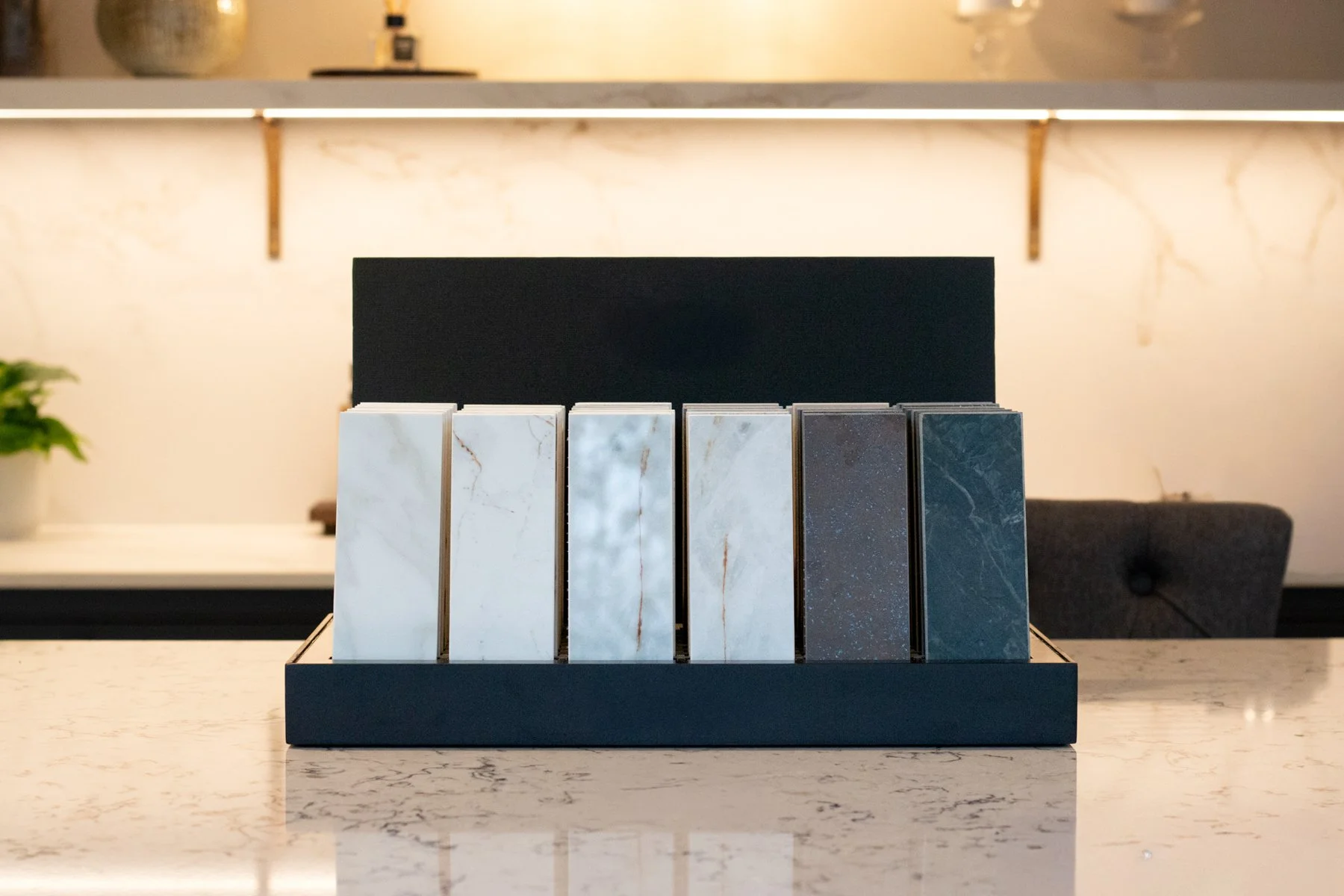
Bath Granite & Marble- Lyndhurst Showroom
3. Should I choose from a sample or see a full slab?
A sample is helpful, but it does not always tell the full story. With more consistent materials, such as many quartz designs, a sample can give you a good sense of the colour and finish. With natural stones such as granite, marble and quartzite, a small sample may only show a tiny part of the material. The full slab may have more movement, veining, tone variation or dramatic patterning than the sample suggests. That is not a problem. It is part of the beauty of natural stone. But it does mean you should ask whether seeing a larger piece or full slab would be useful before making your final choice. At Bath Granite & Marble, our Frome site includes our factory and slab yard, where many full slabs are held. Our Lyndhurst showroom gives customers across the New Forest and Hampshire a local place to begin exploring materials, samples and project ideas. Stock changes, so if you are hoping to view a particular slab, it is always best to check first.
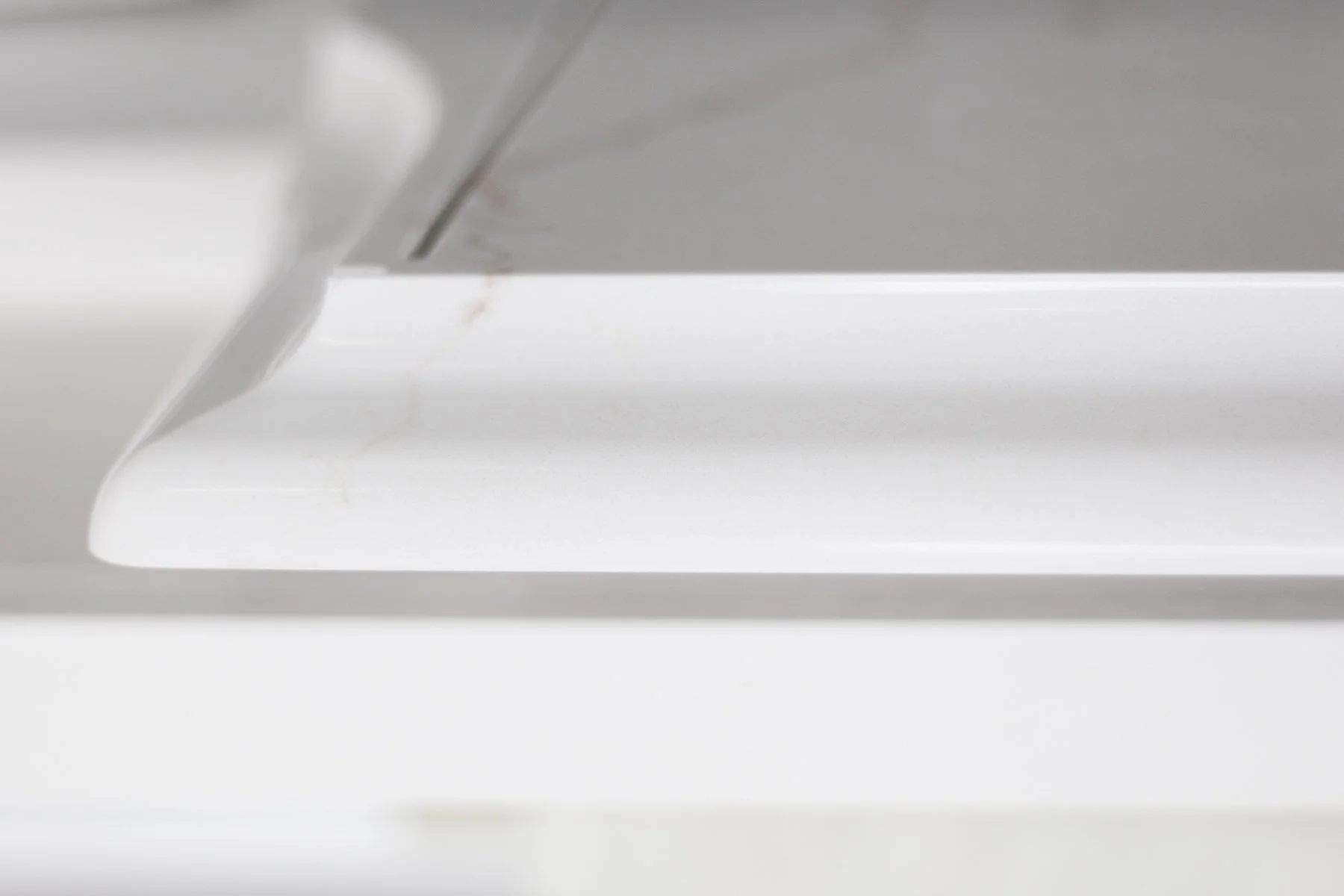
4. What edge profile will suit the design?
Edges are one of those details people often forget about until later. But they make a real difference. A simple square or eased edge can feel clean and modern. A pencil round softens the look slightly. More detailed profiles can add a traditional or decorative feel. A mitred edge can create the appearance of a thicker surface without using a solid thick slab throughout. The best edge profile depends on the material, the kitchen style, the thickness, the cabinetry and the overall feel you want to create. It is worth asking about this early, especially if you are planning a statement island, detailed cabinetry or a more bespoke finish.
5. Do I need upstands or a full-height splashback?
Worktops are only one part of the surface decision. Upstands and splashbacks can change the whole feel of a kitchen. A small upstand can create a neat, practical finish where the worktop meets the wall. A full height splashback can make the stone feel more dramatic and continuous, especially behind a hob, sink or feature wall. Sometimes a simple upstand is enough. Sometimes carrying the stone vertically makes the whole project feel more finished. The important thing is to think about it before everything is finalised. Splashbacks, upstands, socket positions and wall finishes all need proper planning.
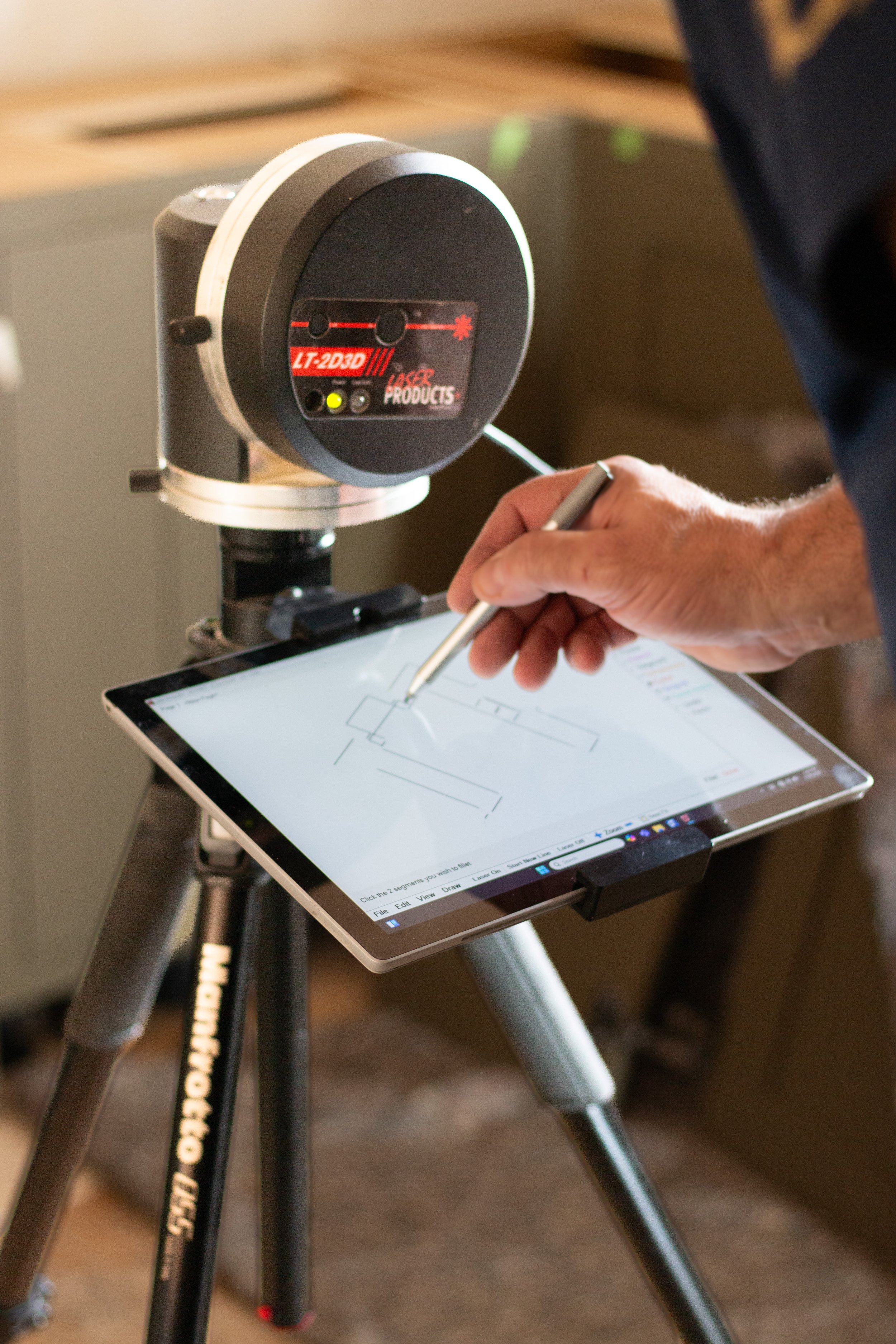
6. Who templates, fabricates and installs the worktops?
This is a big one. A stone worktop is not just bought. It is measured, cut, finished, transported and installed. That means the process matters as much as the material. Ask whether the company handles templating, fabrication and installation. Ask where the stone is cut. Ask who checks the details. Ask how cut outs, seams, sinks, taps, hobs and splashbacks are confirmed. At Bath Granite & Marble, we template, fabricate and install stone worktops and surfaces. Our factory is based in Frome and we work with homeowners, kitchen studios, interior designers, architects and trade clients across Somerset, Wiltshire, Bath, Bristol, Hampshire, the New Forest and beyond. When one team understands the project from measurement through to fitting, it helps make the process clearer and more joined up.
7. What needs to be ready before templating?
Templating is where the project becomes very precise. Before templating, cabinets usually need to be fitted and fixed in position. Sinks, taps, hobs and appliances need to be confirmed. Any design details, overhangs, upstands, splashbacks and edge profiles should be discussed. If something changes after templating, it can affect the finished worktop. That is why early conversations are so useful. The smoother projects are usually the ones where the small details are checked before they become urgent.
8. Can the showroom help if I do not know what I want yet?
Yes. In fact, that is often the best reason to visit. You do not need to arrive with every decision made. Many people come in with a few saved images, a cabinet sample, a rough kitchen plan or just a feeling they cannot quite explain yet. A good showroom should help you narrow things down, not make you feel more confused. Sometimes the answer is not the material you expected. You may come in thinking you want marble and leave feeling more confident about quartzite. You may think you want a plain quartz and then realise a natural stone suits the room better. You may discover that the edge detail or splashback choice is just as important as the worktop colour. That is the value of seeing materials in person.
Visiting Bath Granite & Marble in Frome and Lyndhurst
Bath Granite & Marble has showrooms in both Frome and Lyndhurst. Our Frome site includes our showroom, factory and slab yard, making it a useful place to view materials, understand how stone is fabricated and explore full slab options where available.
Our Lyndhurst showroom supports customers across the New Forest and Hampshire, including Lyndhurst, Lymington, Brockenhurst, Southampton, Romsey, Winchester and surrounding areas.
Both showrooms are there to help you compare materials, ask questions and understand what will work best for your project. Whether you are planning a new kitchen, bathroom, utility room, fireplace, bespoke furniture piece or trade project, the earlier you ask the right questions, the easier the process tends to be.
Before you visit, it helps to bring:
kitchen or room plans if you have them
cabinet, flooring or tile samples
saved images of styles you like
appliance details if already chosen
rough measurements if available
questions about maintenance, budget or timing
You do not need everything. But the more context you can bring, the more useful the conversation will be.
Final thought
Choosing stone should feel exciting, not stressful. A showroom visit gives you the chance to see materials properly, understand the practical differences and ask the questions that matter before your project moves too far forward. The best worktop choice is not just the one that looks good on the day. It is the one that still feels right once the kitchen, bathroom or interior is being used every day.